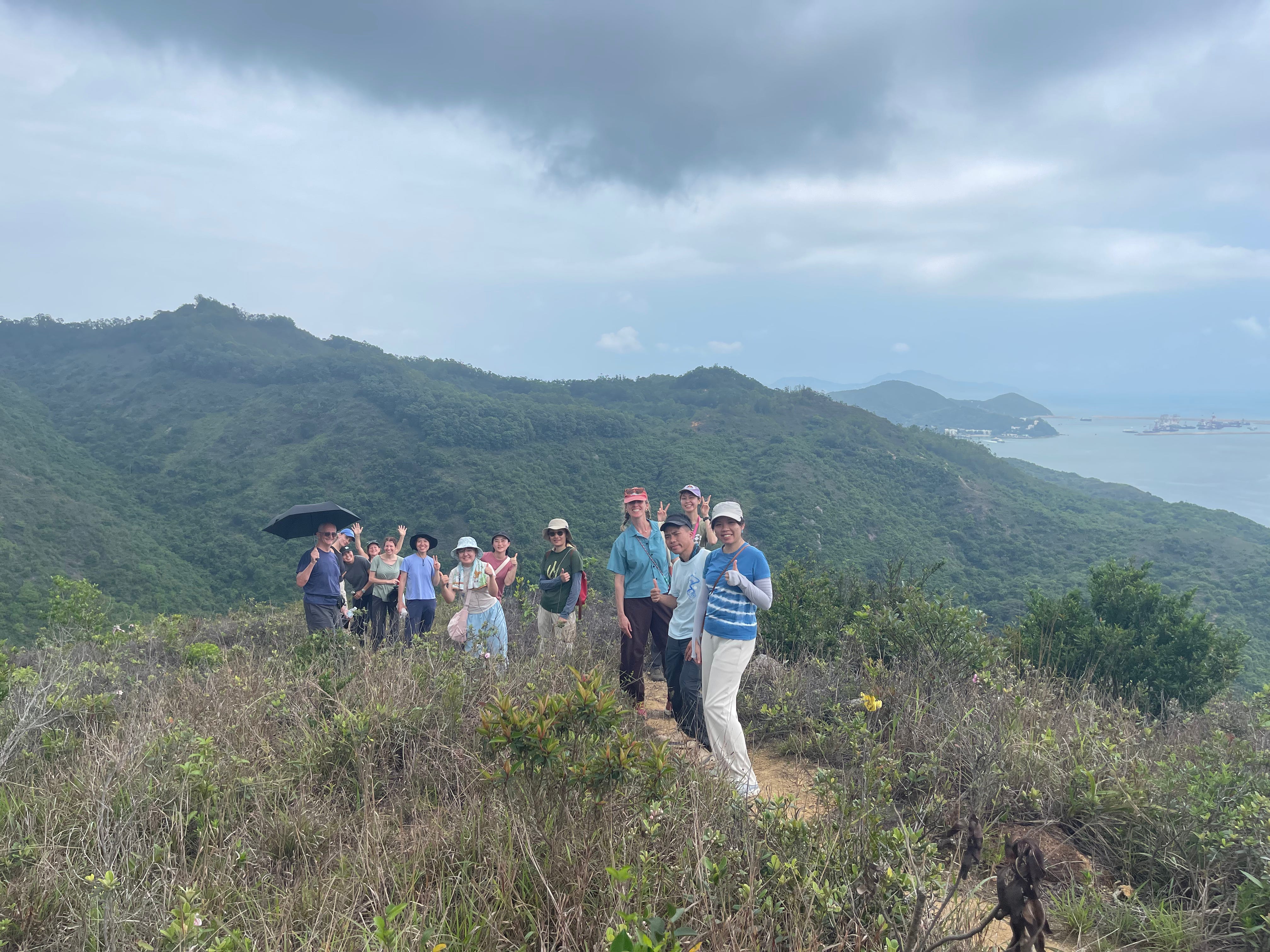
4PM 2026: the first collaborative and place-based Permaculture Design Course in Hong-Kong
Notes on a teaching and learning journey at the intersection of ecology, culture, social systems, design, and future thinking.

Last year, thanks to the kindness and generosity of several wonderful people in Hong Kong, I had the opportunity to attend Rosemary Morrow’s Permaculture Teacher Training (PTT). Sidenote: while this training is not required to become a permaculture teacher, it offers valuable guidance on the art of teaching itself.
As part of the final project, our group of eight participants was tasked with designing and presenting a mock Permaculture Design Course (PDC). We envisioned something ambitious: a collaborative, multi-site course deeply rooted in the unique social and ecological landscape of Hong Kong.
We chose “4PM” as both the name of our programme and a symbolic invitation to pause, observe, and learn about the world around us. It was inspired by the “4 p.m.” regulation adopted in Shenzhen and other Chinese cities under the Double Reduction Policy (which aims to reduce excessive extracurricular workloads for students).
What began as a classroom exercise soon became a reality.
During the first months of 2026, I divided my time between working at my family’s golf club and preparing this programme. We officially launched 4PM in early April, and the course concluded on May 25th.
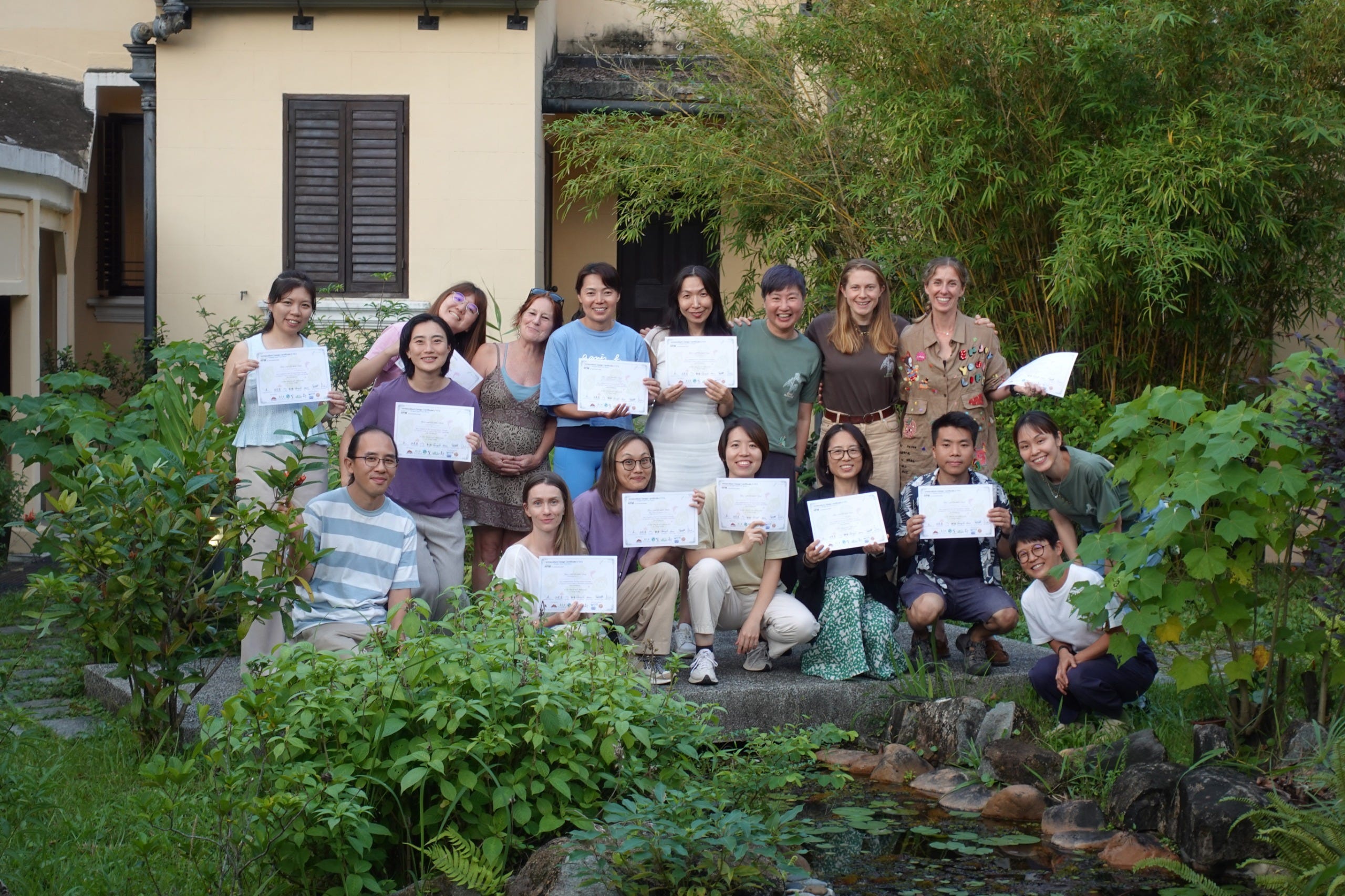
Our Vision
Our goal was to create a Permaculture Design Course anchored in local places, local ecosystems and local people.
We wanted to demonstrate that permaculture can be relevant and accessible, even if you live in a high-rise apartment, work a demanding office job, and have little access to land or nature.
Many people assume that permaculture is primarily about farming. While food production is certainly part of it, permaculture is fundamentally a design system, a way of observing relationships, understanding natural systems, and creating resilient communities. What matters most are the core ethics of permaculture (Earth Care - People Care - Fair Share), and how we can apply them in urban contexts. This course was therefore very socially oriented, leveraging the power of human connections.
Our Objectives
Connect “knot people” and strengthen Hong Kong’s network of permaculture practitioners.
Cultivate observation skills, ecological awareness, and a deeper understanding of natural systems.
Highlight and support existing environmental and community initiatives across Hong Kong.
Demonstrate the importance of social connections and community networks.
Equip participants with the skills and confidence to design projects in urban environments and social settings.
Strengthen connections between Hong Kong and mainland China through collaboration and shared learning.
Reconnecting with Nature - even in the City
One of our greatest challenges was making permaculture meaningful for people regardless of whether they owned land.
Most Hong Kong residents live in high-rise buildings without access to private gardens or even balconies. Land is scarce, expensive, and often constrained by steep terrain, existing development, or protected ecosystems. For many residents, the prospect of owning land feels unrealistic.
We used permaculture as an entry point for participants to reconnect with their environment and the communities around them. Throughout the course, we visited mangroves, native forests, urban farms, eco-villages, and grassroots community projects. We went to Shenzhen for a weekend, and stayed in a unique eco-complex. (see this article for that field trip).
Hong Kong is remarkably green and blue. Approximately 40% of its land area is designated as country parks, and its territory includes more than 260 islands. As part of the Greater Bay Area, Hong Kong is surrounded by rich marine ecosystems and sits within one of the world’s biodiversity hotspots. Marine life has also forged Hong-Kong’s unique cultural, economical and culinary identity.
Rather than treating nature as something distant or separate from daily life, we encouraged participants to discover the ecological systems already present around them and to understand their role within those systems.
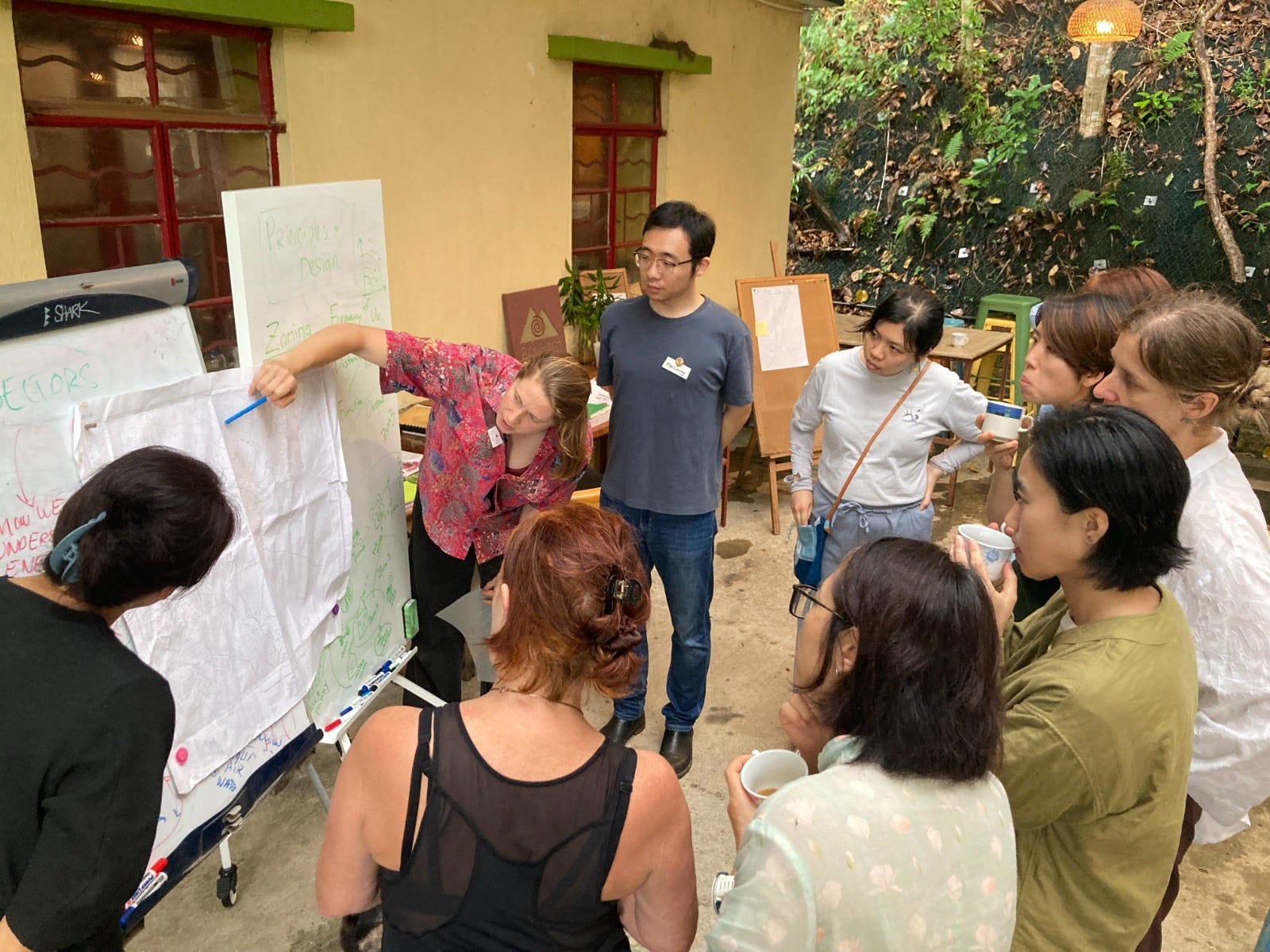
What Made This Course Different?
A Strong Social Dimension
Permaculture is often associated with landscapes and gardens, but we wanted to place equal emphasis on people. Without people, no project can really take hold and create long-term impact. I had friend who used to say: “It only takes one person to start…”
By showcasing a wide diversity of local projects and introducing participants directly to the individuals behind them, we created an immersive learning experience rooted in real-world examples. Each site demonstrated how successful projects emerge from a deep understanding of place, culture, and community.
So where did we go?
We went to Ark Eden Foundation, an environmental education center celebrating its 20th anniversary on Lantau. We went to Green Hub, Kadoorie Farm and Botanic Garden’s Center for Sustainable Living in Tai Po. We went to Nam Shung Reed Blossom Community and Eco-Village in New Territories. We went to Shenzhen and visited 5 different urban and nature-based projects.
We will go to a local farm in Tung Chung (visit is coming post-PDC). We will go to a rice farm in Tai O on Lantau island. The list goes on…
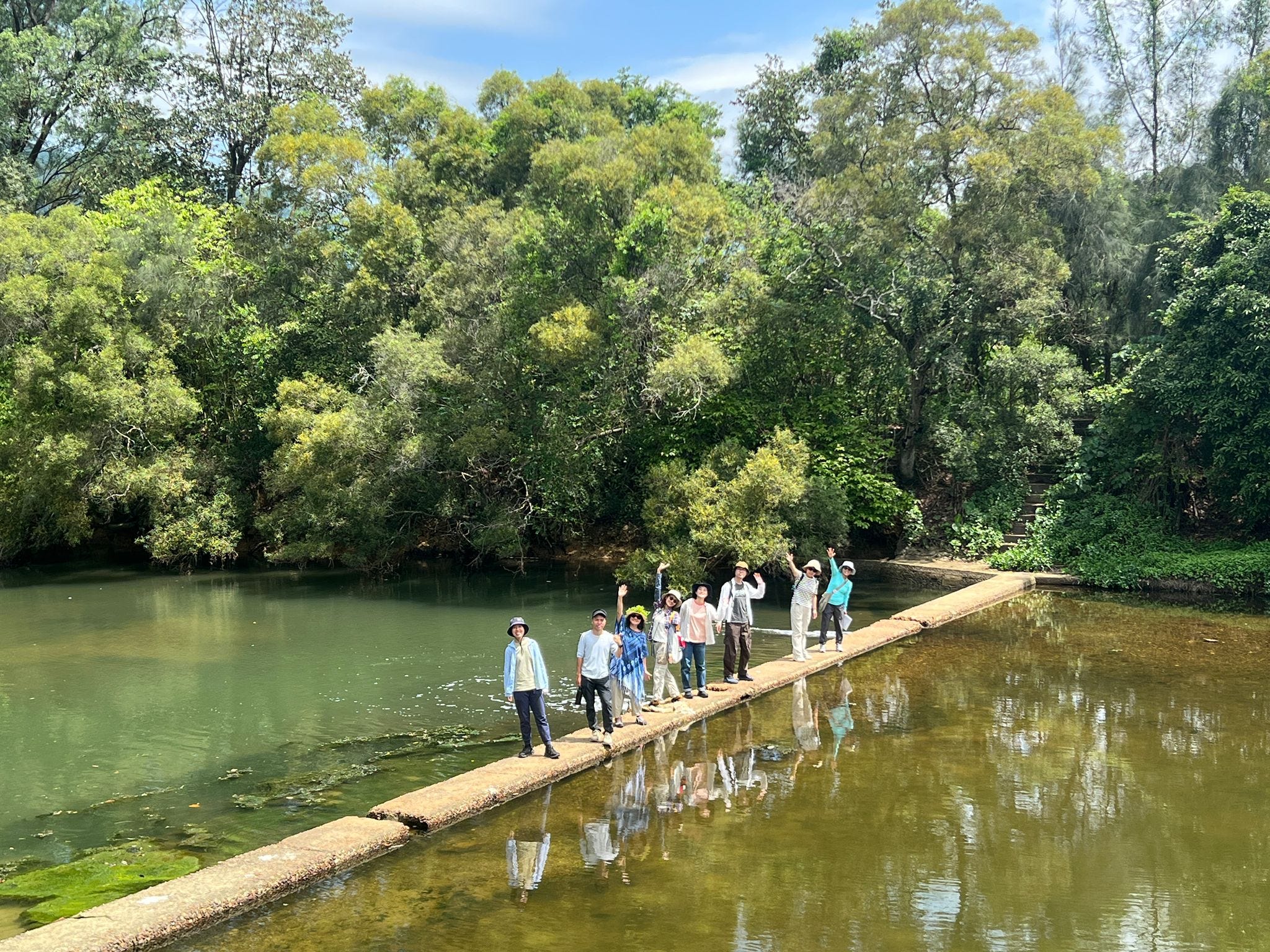
Bringing the Ocean into Permaculture
Hong Kong literally means “Fragrant Harbour.” It is a maritime city shaped by its relationship with the sea: built upon oyster reefs, historically sustained by fishing communities, and home to diverse coastal ecosystems, including coral reefs, mangroves, seagrass meadows, and the famous pink dolphins.
To reflect this reality, we integrated marine ecology and ocean stewardship into our curriculum.
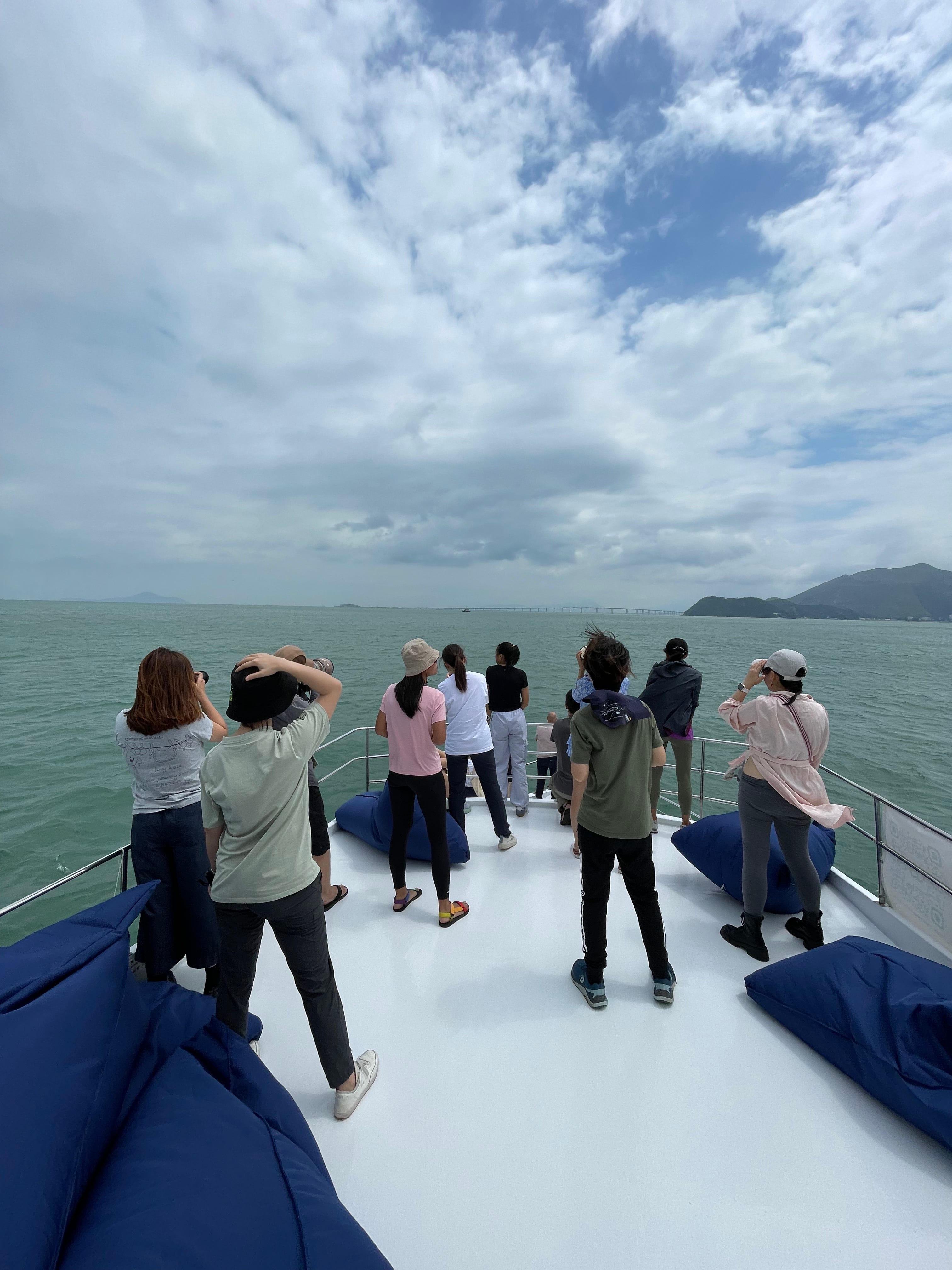
Participants joined a slow dolphin-watching tour and explored mangrove ecosystems alongside local researchers and conservationists. During one field trip, a student discovered two juvenile horseshoe crabs—an extraordinary encounter with a species that is considered endangered in many parts of the world. For most of us, it was the first time we had ever seen a live horseshoe crab.
We also learned about the ecological importance of seagrass meadows, their remarkable ability to sequester carbon, and ongoing restoration efforts both locally and internationally.
Marine conservation has become an increasingly important topic in Hong Kong. Recent concerns over overtourism and damage to fragile coral ecosystems have sparked public debate and prompted responses from both environmental organisations and government agencies. These issues provided valuable opportunities for participants to connect permaculture principles with contemporary environmental challenges.
The Final Design Site: Kwong Fuk Estate
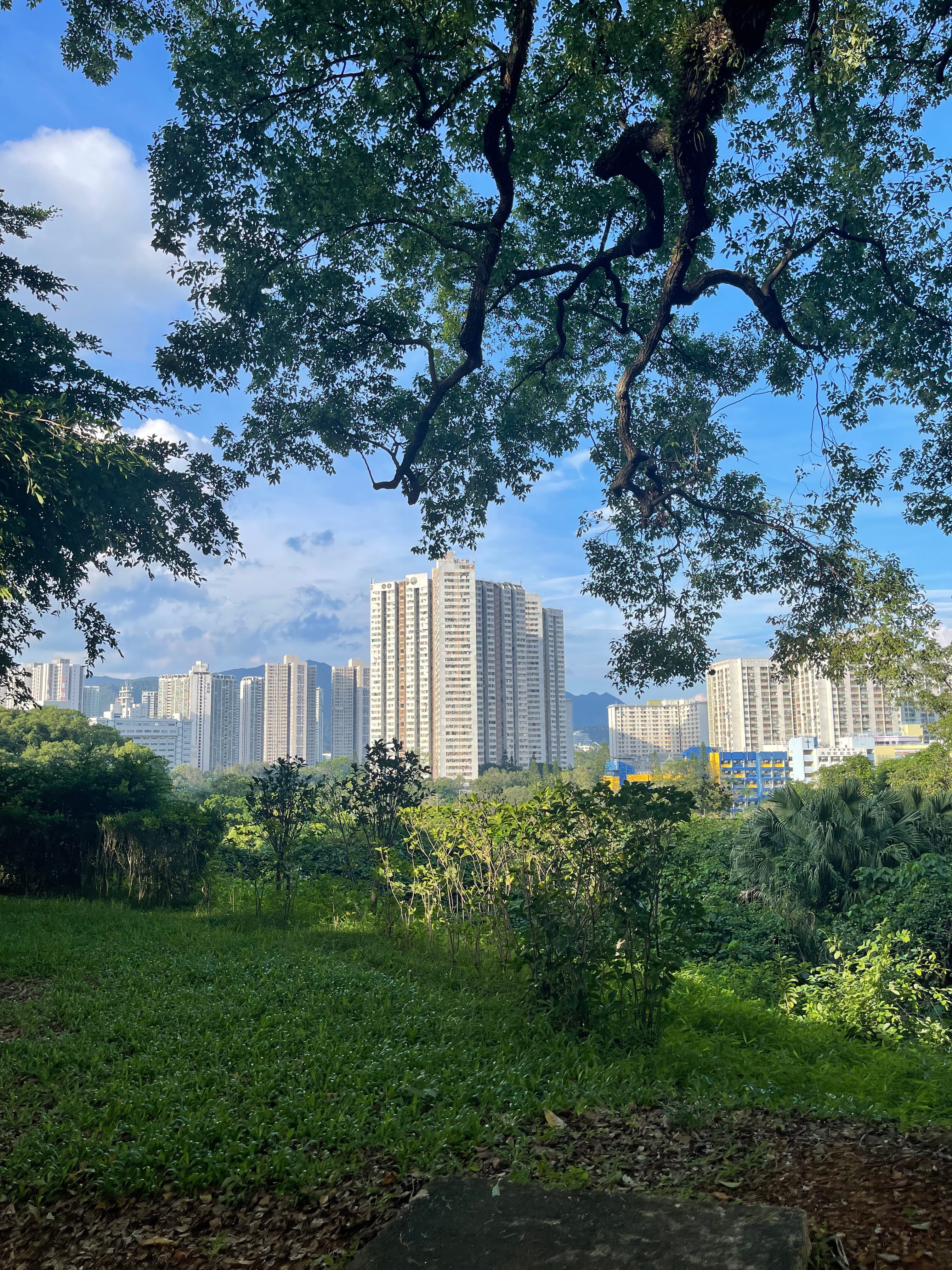
For the final design project, participants focused on Kwong Fuk Estate in Tai Po.
The site was selected because of its proximity to Wang Fuk Court, where a devastating fire occurred in late 2025. The disaster profoundly affected the surrounding community. Families lost homes, livelihoods, and loved ones, and many residents were forced into temporary accommodation.
Although Kwong Fuk Estate was physically spared, the social and economic consequences continue to be felt throughout the neighbourhood. Local businesses have lost customers, public spaces feel quieter, and many residents carry the emotional weight of witnessing the suffering of their neighbours and friends.
By selecting this site, participants were challenged to think beyond physical design and engage with questions of community resilience, social healing, public space, and long-term recovery. The project became an opportunity to explore how permaculture principles might contribute to rebuilding social connections and fostering a renewed sense of belonging.
Looking Forward
Will we do it again?
Absolutely.
The success of the programme confirmed that there is strong interest in a place-based, community-oriented approach to permaculture education in Hong Kong. We are already exploring future iterations of the course and developing new collaborations.
In the meantime, I will also be supporting and facilitating workshops in mainland China, helping to strengthen the growing network of practitioners and educators across the region.
What began as a final assignment in a teacher training course has evolved into something much larger: a living network of people, places, and projects working together to cultivate a more resilient and regenerative future.